I’ve been watching the ChatGPT plugin rollout with a mix of excitement and impatience — I applied for access weeks ago and I’m still waiting. But even from the outside looking in, one integration stands out as genuinely significant: Wolfram Alpha.
Stephen Wolfram published a detailed breakdown of how the ChatGPT-Wolfram plugin works, and honestly? It’s pretty powerful. If you haven’t read it yet, it’s worth your time. But here’s the short version and why I think this particular plugin changes the game more than any other announced so far.
ChatGPT’s Biggest Weakness Just Got Patched
We all know the problem. ChatGPT is brilliant at language — at understanding what you’re asking, at structuring a response, at making complex ideas accessible. But it’s terrible at math. Not “makes occasional mistakes” terrible. Confidently, convincingly wrong terrible. It’ll give you a calculation that LOOKS right, formatted beautifully, and it’s just.. wrong.
This isn’t a bug they can patch with more training data. It’s architectural. Large language models predict the next token — they don’t compute. They don’t actually DO math. They pattern-match against math-like text they’ve seen before. That’s a fundamental limitation.
Wolfram Alpha, on the other hand, is a computational engine. It doesn’t predict answers — it calculates them. It knows the mass of Jupiter, the derivative of a function, the population of Portugal in 1987. Not because it read about them, but because it has structured, curated, computable knowledge.
So when you wire these two systems together, you get something genuinely new: a conversational AI that can actually do the math it’s talking about.
Why This Plugin Architecture Matters More Than the Plugin Itself
Here’s what I think most people are missing about this moment. Yes, the Wolfram integration is cool. But the ARCHITECTURE is what should grab your attention.
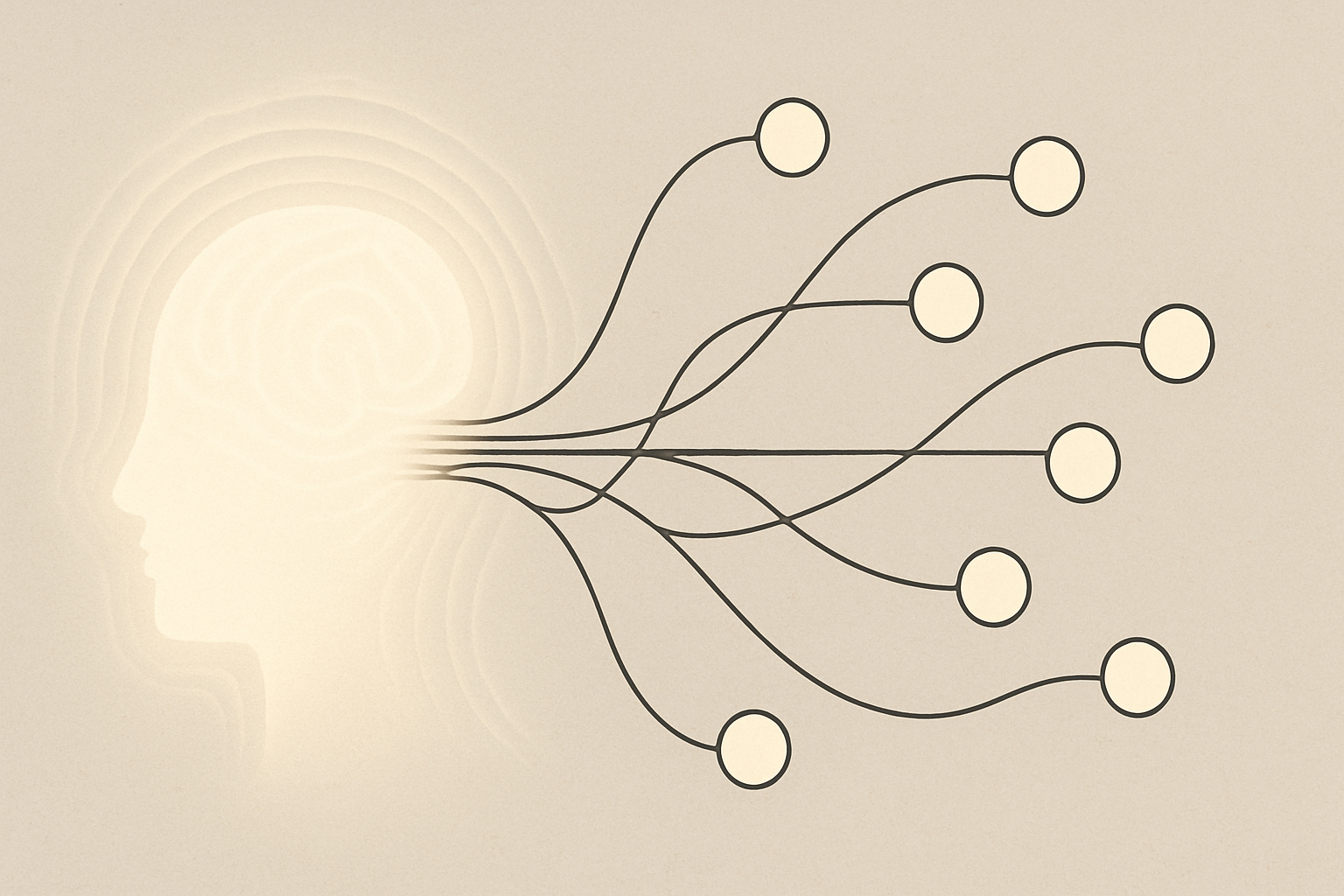
What OpenAI has done is essentially give ChatGPT the ability to recognize when it doesn’t know something — or when it shouldn’t trust its own output — and hand that task off to a specialist system. ChatGPT handles the conversation, the context, the natural language interface. Wolfram handles the computation, the data lookups, the precision work.
This is how good teams operate. You don’t need every person to be good at everything. You need people who are excellent at their thing, and a system that routes the right problems to the right people. That’s what the plugin model does for AI.
I wrote a few weeks back about how vector databases and long-term memory were going to change what AI could do. This is the other side of that coin. Memory lets AI KNOW you. Plugins let AI DO things. Put those together and you’re looking at something that starts to feel less like a chatbot and more like an actual assistant.
The Plugin Access Problem
Now here’s my frustration. I’ve been trying to get plugin access for weeks, and I only recently discovered that plugin access is a SEPARATE application from the other beta features. It’s not the same as getting GPT-4 access or the browsing capability — you have to specifically apply for plugins through a different process. I only found the right form last week.
This is classic OpenAI. They’re shipping incredible technology while making the onboarding experience feel like a scavenger hunt. If you’re in the same boat, go dig around for the specific plugin waitlist. It’s there, it’s just not obvious.
What This Means for the AI Stack
I keep coming back to this idea that we’re watching the AI “stack” get built in real time. A few months ago, ChatGPT was a standalone text generator. Then it got browsing — I was talking about why that matters (and why it should make you nervous if you’ve read any sci-fi). Then vector databases gave it memory. Now plugins give it specialized capabilities.
Each layer makes the previous layers more powerful. A ChatGPT that can browse AND compute AND remember your preferences AND access specialized tools — that’s not an incremental improvement. That’s a different category of product.
The Wolfram integration specifically matters because it addresses the single biggest credibility problem these models have. When ChatGPT confidently states a wrong number, it erodes trust in EVERYTHING it says. If the plugin can catch those moments and route them to a system that actually computes the answer, the overall reliability of the output goes way up.
The Bigger Question
Here’s what I’m thinking about: if Wolfram can plug into ChatGPT to handle math and data, what else plugs in? Legal databases for contract analysis? Medical references for health questions? Financial models for investment analysis?
We’re pretty early in this, but the pattern is clear. The future isn’t one AI that does everything. It’s a conversational AI layer that’s brilliant at understanding what you need, connected to specialist systems that are brilliant at delivering it.
That’s not science fiction. That’s just good systems architecture. And as of this month, it’s starting to actually work.
I’ll report back once I finally get plugin access myself. In the meantime, if you’ve gotten in — I’m jealous. Lemme know how it’s working in practice.