Background Advisory Ventures Dispatches Contact
Real-Time AI Content That Watches You Back — The Missing Piece in Generative Media
All dispatches

Real-Time AI Content That Watches You Back — The Missing Piece in Generative Media

Runway Gen2 dropped this week, and I’ve been playing with it all morning. I generated a pretty fantastic little video from nothing but a text prompt — and if you haven’t tried it yet, you should. It’s stunning what’s possible right now in mid-2023.

But here’s the thing that’s been rattling around in my head, and it’s bigger than any single tool release: we’re about to live in a world where AI produces movies, games, music, and educational content on demand. I’m talking 18-24 months before this becomes genuinely real. Not demo-quality. REAL.

And almost nobody is talking about the actual hard problem.

The Director Problem

Everyone’s focused on generation — can AI make a video? Can it compose a score? Can it build a game level? The answer is increasingly yes, and the quality curve is steep. But generation isn’t the bottleneck. Direction is.

Think about it this way: even the greatest directors in history produce a LOT of flops. Kubrick was meticulous to the point of madness, and he still had misses. Spielberg has made films nobody remembers. The hit rate for brilliant human directors is maybe 60-70% on a good run. For average ones, it’s far worse.

Now imagine an AI trying to “direct” — to make the thousands of micro-decisions that determine whether a piece of content lands emotionally or falls flat. Pacing, tone, when to cut, when to linger, when to shift the music. AI may take a LONG while before it’s a good director in the traditional sense. The training data exists, sure, but taste is hard to encode.

So what do you do?

Don’t Finish the Movie — Modify It in Real Time

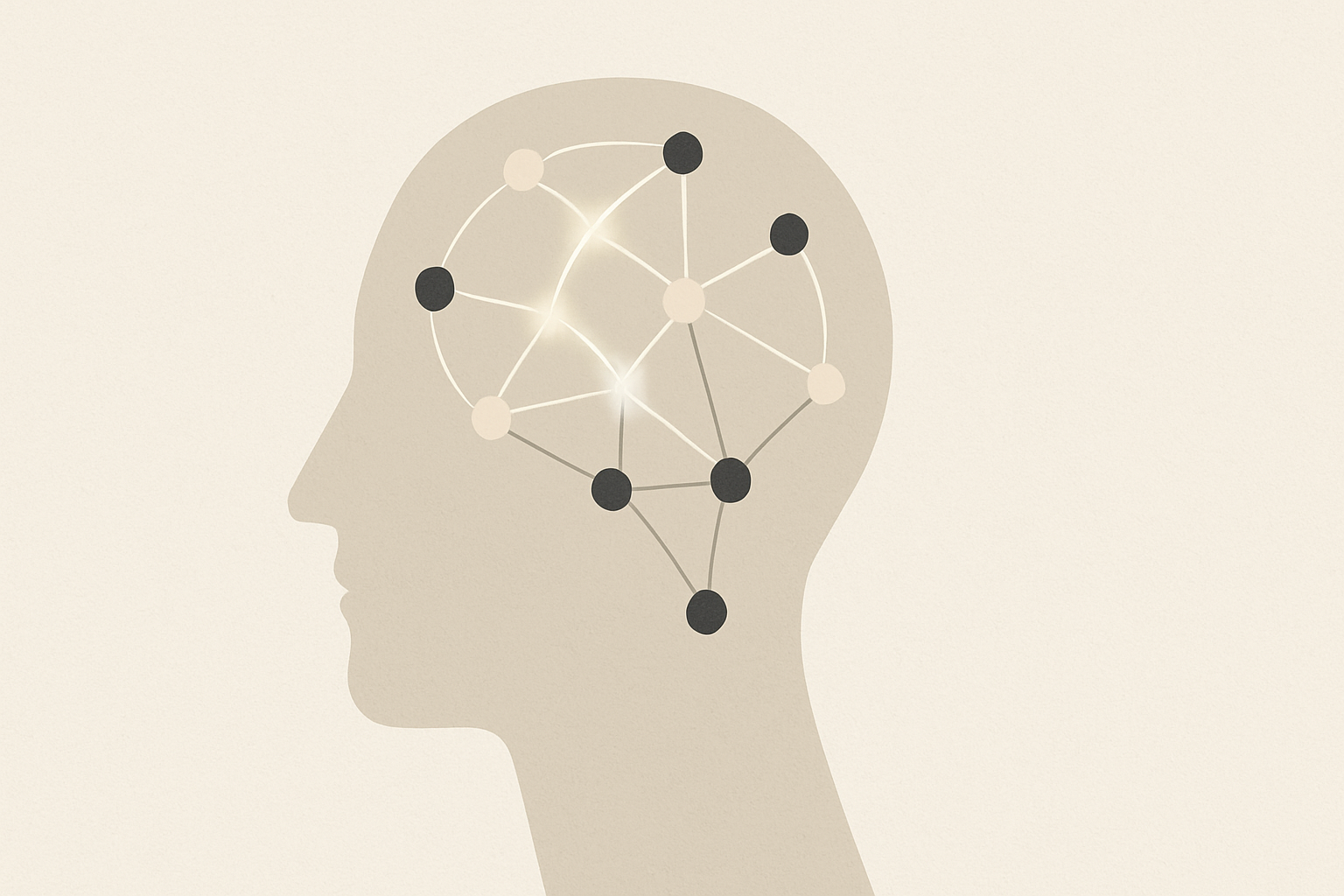
Here’s the twist I’ve been working on, and I’ve got a patent pending on it: instead of generating a complete piece of content and hoping it lands, you produce it in real time and modify the content — also in real time — based on passive biometric feedback from the user.

Let that sink in for a second.

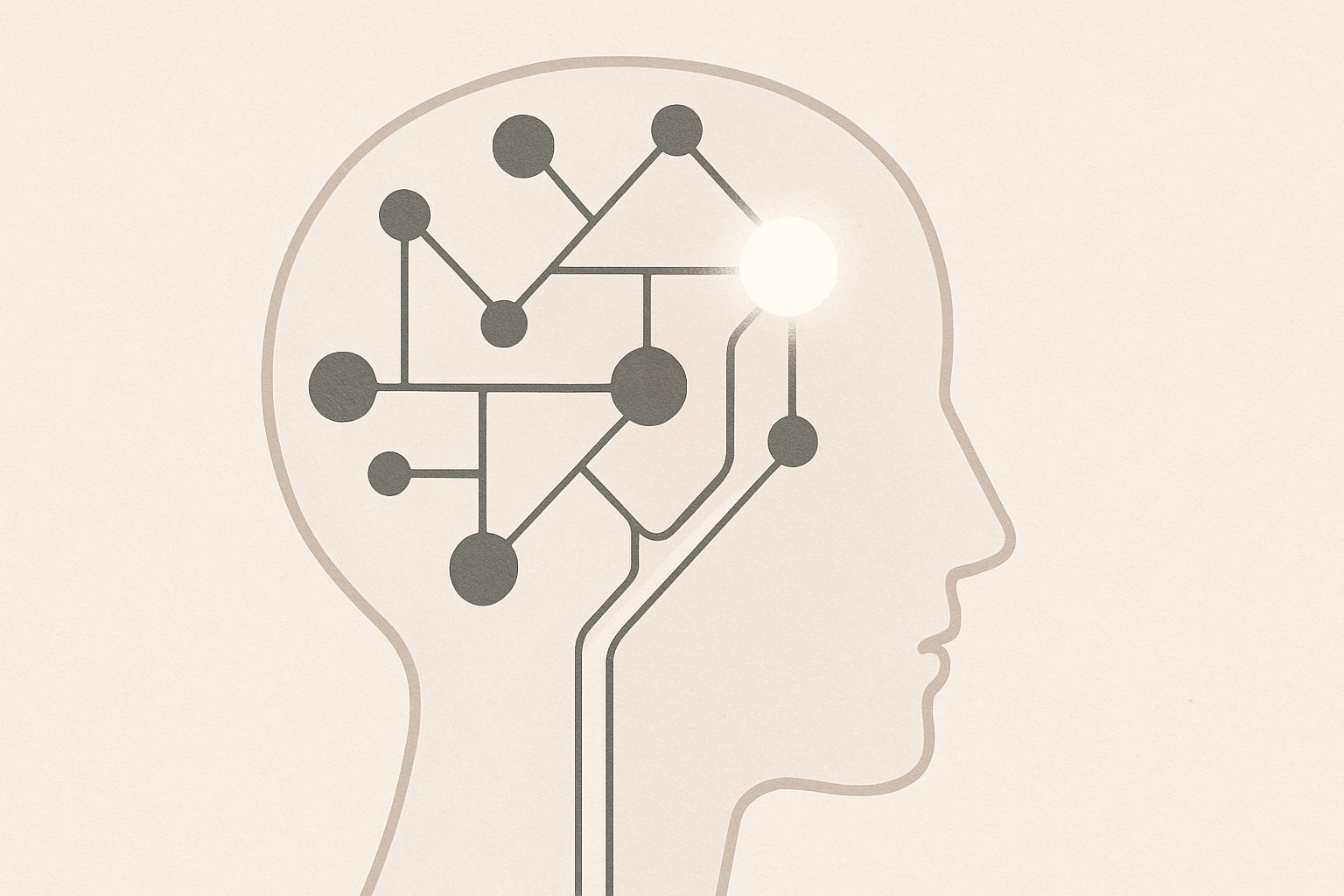
I’m not talking about “choose your own adventure” where you pick option A or B. I’m not talking about thumbs up/thumbs down ratings. I’m talking about the system reading YOUR physiological response — heart rate, galvanic skin response, eye tracking, micro-expressions — and adjusting the content as it unfolds. No conscious input required from the user at all.

Your pupils dilate during a scene? The AI notes engagement and develops that thread further. Your attention drifts? It pivots. Your heart rate spikes? It knows it’s onto something.

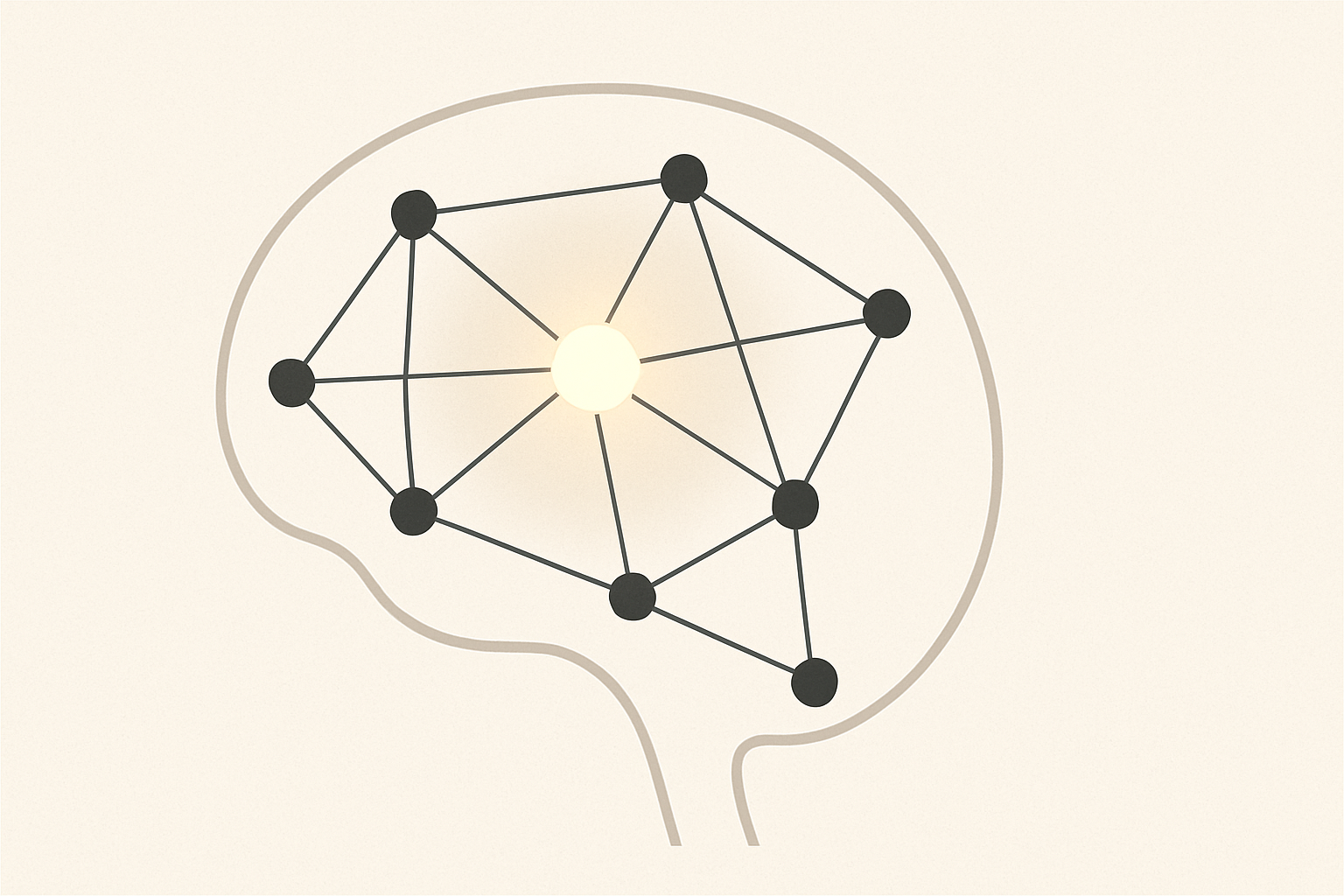
The content becomes a live feedback loop between the AI and your nervous system.

Why This Matters More Than Better Generation

The generative AI space right now is in an arms race for quality. Runway, Midjourney, Stable Diffusion — everyone’s pushing for better output. And that’s great. But better output is still static output. It’s still a guess about what you’ll respond to.

The real unlock isn’t making AI a better guesser. It’s removing the need to guess entirely.

I’ve been thinking about this through the lens of what I wrote a few weeks back about knowledge ingestion being the killer AI app. That was about INPUT — getting information into AI systems efficiently. This is the other side of the coin: OUTPUT that adapts to the receiver. Together, they form something like a complete loop — AI that can absorb the world’s knowledge AND deliver it in whatever form resonates with a specific human at a specific moment.

Education is probably the most obvious application. Imagine a learning system that knows — not because you told it, but because it can see — that you’re confused, bored, or locked in. It adjusts difficulty, pacing, modality, all without you lifting a finger. That’s not a better textbook. That’s a fundamentally different relationship between human and content.

The Prior Art Question

Now, I’m not naive about the patent landscape here. Big tech has been filing around biometrics and content personalization for years. Apple’s got eye tracking in the Vision Pro pipeline. Netflix has filed patents on content adaptation. The specifics of real-time generative content modulation based on passive biometric signals — that’s the space I think is defensible, but I’ll know soon enough whether the prior art gods agree.

The timing feels right, though. A year ago, real-time generative content was science fiction. Today I’m making videos from text prompts before lunch. The generation side is solving itself. The direction side — the taste problem, the engagement problem — that’s where the real value will concentrate.

What I’m Watching

Between Runway Gen2’s release this week and the pace of development across the generative stack, I think we’re closer than most people realize to AI-produced content that’s genuinely good. Not “good for AI” — just good. The question is whether that content will be a broadcast or a conversation.

I’m betting on conversation. Not the kind where you type prompts, but the kind where the content reads you as much as you read it. That’s the future I’m building toward, and honestly — watching this space move as fast as it is right now — 24 months might be conservative.

Get my weekly AI dispatch

Real analysis from someone who's been building on the internet since 1996. Join 500+ founders and operators getting my take on AI, tools, and what's actually working.

Robertson Price

Robertson Price

Serial entrepreneur who has built and exited multiple internet companies over 25 years — from search (iWon.com, $750M acquisition) to content networks (32M monthly visitors) to e-commerce (Rebates.com). He now builds enterprise AI infrastructure at Ragu.AI.