Background Advisory Ventures Dispatches Contact
The Real Power of AI Isn't the Orchestrator — It's What You Plug Into It
All dispatches

The Real Power of AI Isn't the Orchestrator — It's What You Plug Into It

I’ve been thinking a lot about how the AI coding landscape is splitting into two very different camps — and most people are only paying attention to one of them.

The Remote vs. Local Split

There’s a growing divide between tools optimized for coders and tools optimized for everyone else. Remote-first AI environments like Claude Code are GREAT if you’re a developer who lives in the terminal. The experience of working with an AI agent that can read your codebase, run your tests, and iterate on code alongside you — it’s genuinely transformative. I’ve been deep in this workflow and it’s hard to overstate how much it changes the pace of building.

But here’s the thing. Most people aren’t coders. Most of the people who stand to benefit from AI orchestration are what I’d call “vibe workers” — people who know what they want to accomplish, can describe it clearly, and need an intelligent system to go execute across a dozen different tools and contexts. For them, I suspect something like OpenClaw is still the better fit. It’s a more approachable surface area. You don’t need to understand git or terminal commands. You just need to know what you want done.

That said, I doubt Anthropic is far from shipping a virtual computer product that effectively is OpenClaw. The trajectory is pretty clear — every major AI lab is converging on the idea of a general-purpose agent that can operate a full computing environment on your behalf. The question isn’t whether we get there. It’s who gets the integrations right first.

The Orchestrator Is Table Stakes

Here’s what I’m MOST interested in right now: it’s not the orchestrator itself. Everyone’s building orchestrators. The orchestrator is becoming table stakes — a commodity layer.

The real leverage is in what gets plugged INTO the orchestrator.

I’ve been running OpenClaw with a stack of MCP services — RAG for document retrieval, CRM integration, project management, communications. Basically wiring up the actual systems a business runs on and letting the AI coordinate across all of them. And it’s crazy useful. Not “neat demo” useful. Actually, materially useful in ways that save real time every single day.

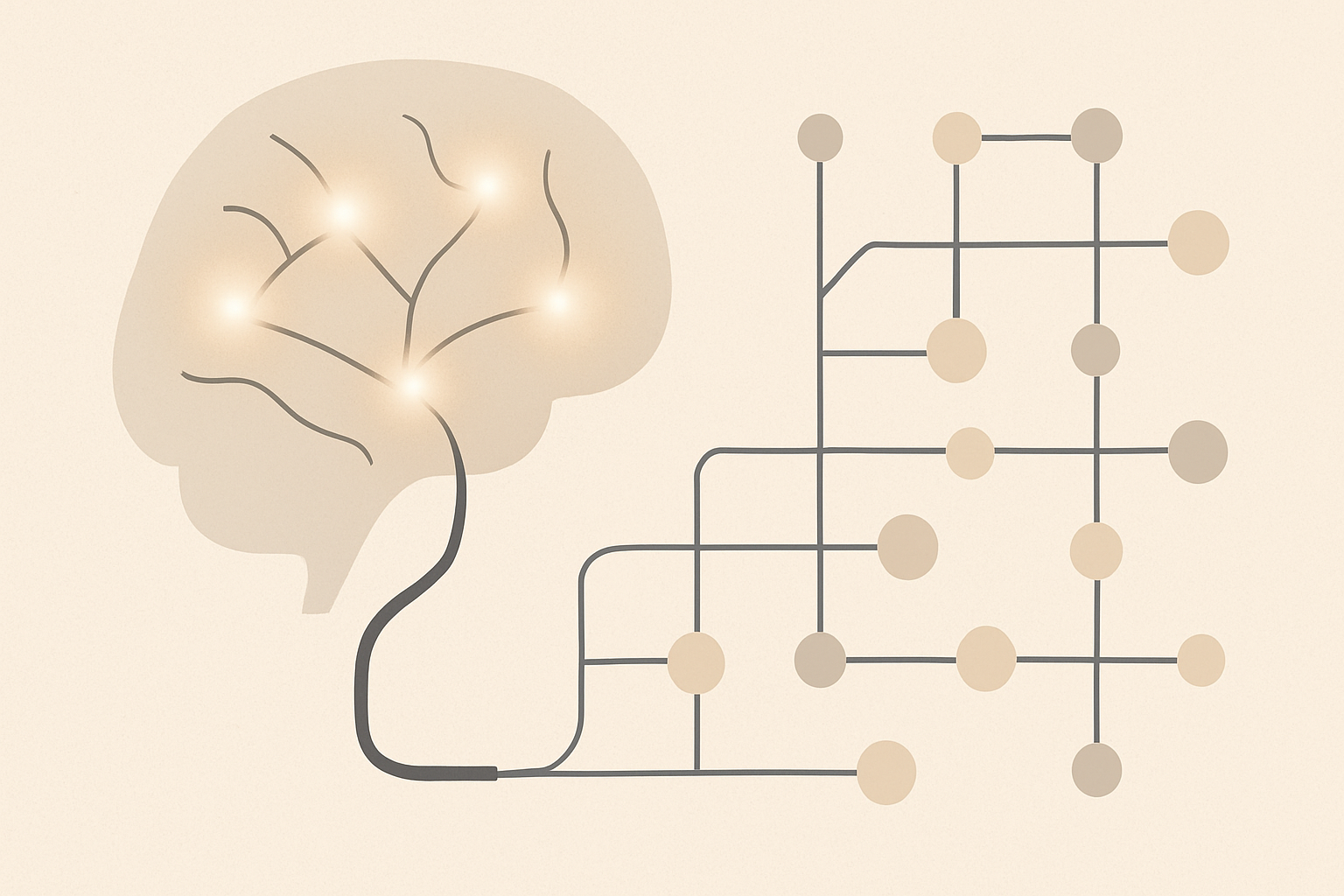
Think about it this way: an orchestrator without integrations is just a chatbot with a fancy UI. An orchestrator with deep MCP tool access becomes something closer to a chief of staff that never sleeps. It can pull context from your documents, check your CRM before a call, update project timelines, draft communications — all in a single flow.

MCP Is the Real Battleground

This is why I think MCP (Model Context Protocol) and similar integration standards are where the real action is. The orchestrator wars will sort themselves out — there’ll be a few winners, they’ll all be pretty good, and they’ll increasingly converge on similar capabilities. But the ecosystem of tools and skills you can plug in? That’s where differentiation lives.

It’s the same pattern we’ve seen before. The browser wars of the late ’90s weren’t really about the browser — they were about what you could DO in the browser. The smartphone wars weren’t ultimately about iOS vs. Android — they were about the app ecosystems. The AI orchestrator wars will follow the same logic. The platform with the richest, most useful set of integrations wins.

And right now, the MCP ecosystem is still early. There’s a real opportunity for builders to create high-quality tool integrations that become essential infrastructure. RAG services that actually understand your domain. CRM connectors that don’t just read data but can take intelligent action. Project management tools that understand context and priority, not just task lists.

What I’m Watching

The question I keep coming back to is simple: you’ve got an orchestrator — now what can you orchestrate?

Most people are focused on the “which AI model is smartest” race. That matters, but it’s increasingly a background variable. The models are all getting good enough. The frontier capability gap between the top labs shrinks every quarter.

The REAL differentiator for end users is the skill and tool layer. Can your AI actually DO things in the systems you use? Can it pull the right context at the right time? Can it take action, not just suggest it?

I’ve found that once you wire up even three or four solid MCP integrations — document retrieval, a CRM, project tracking, and comms — the whole experience shifts from “interesting AI demo” to “I genuinely can’t work without this anymore.” That’s the threshold that matters.

The Takeaway

If you’re building in this space, stop obsessing over which orchestrator to bet on. Start thinking about the tools layer. Build or adopt MCP services that connect AI to real workflows. That’s where the compounding value lives.

And if you’re a “vibe worker” — someone who’s not writing code but wants AI to handle the orchestration of your actual work — pay attention to OpenClaw and similar platforms. The tooling is getting good enough that you don’t need to be technical to get serious leverage from these systems. You just need to think clearly about what you want orchestrated and make sure the right integrations are in place.

The orchestrator is the engine. The MCP tools are the wheels. You need both to go anywhere — but right now, wheels are what most people are missing.

Get my weekly AI dispatch

Real analysis from someone who's been building on the internet since 1996. Join 500+ founders and operators getting my take on AI, tools, and what's actually working.

Robertson Price

Robertson Price

Serial entrepreneur who has built and exited multiple internet companies over 25 years — from search (iWon.com, $750M acquisition) to content networks (32M monthly visitors) to e-commerce (Rebates.com). He now builds enterprise AI infrastructure at Ragu.AI.